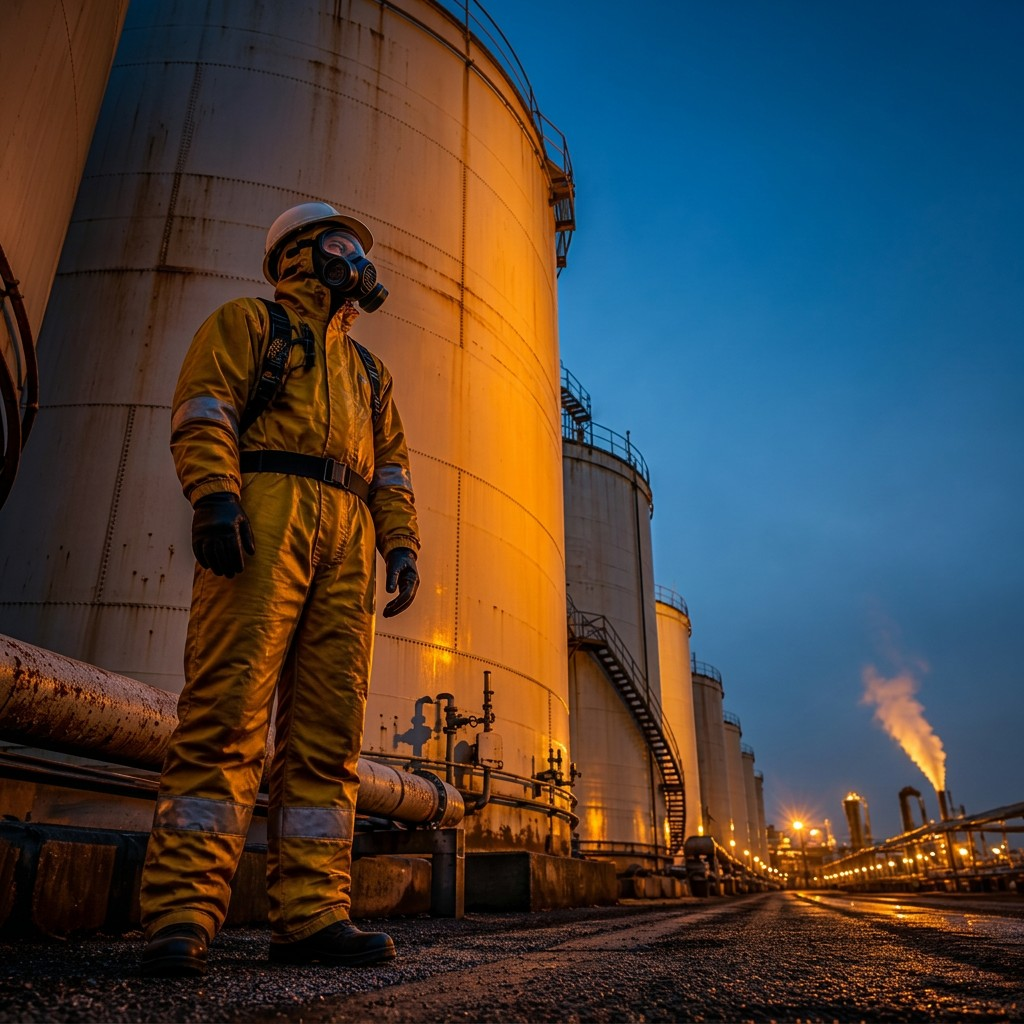
Chemical Exposure is Ubiquitous
Firefighters, CBRN responders, miners, and divers face hidden chemical hazards every day. The scale is staggering — and the gaps in tracking make the true toll even harder to see.
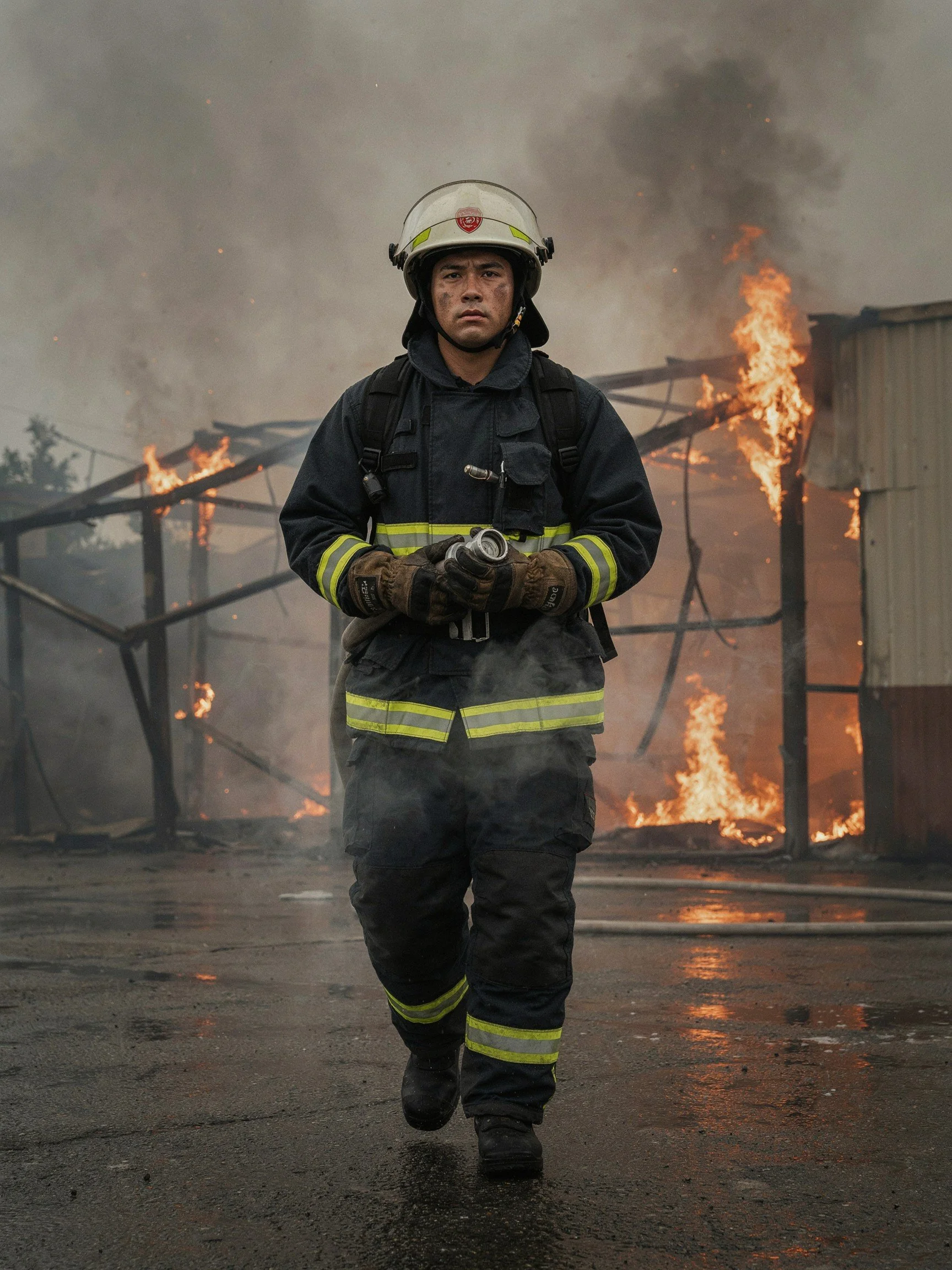
Deaths are under-counted because many exposures are poorly measured or not measured at all, so cancers that develop years later are missed in national statistics (ILO 2019 & 22).
~1B
Workers exposed to hazardous substances (ILO)
~1M
Deaths/Year From Hazardous Chemicals (ILO)
Hazardous Chemicals: Biggest Killer at Work
In high-income countries: occupational cancer (ILO/Takala)
ILO (2022). Important to protect the 1 billion workers exposed to chemicals globally; J. (2015). Eliminating occupational cancer. Industrial Health, [3] ILO (2019). The Future of Work and Occupational Cancer; Takala, J. (2015). Eliminating occupational cancer. Industrial Health, 53(4)
Fire Fighters See It On Every Call: They May Not Know
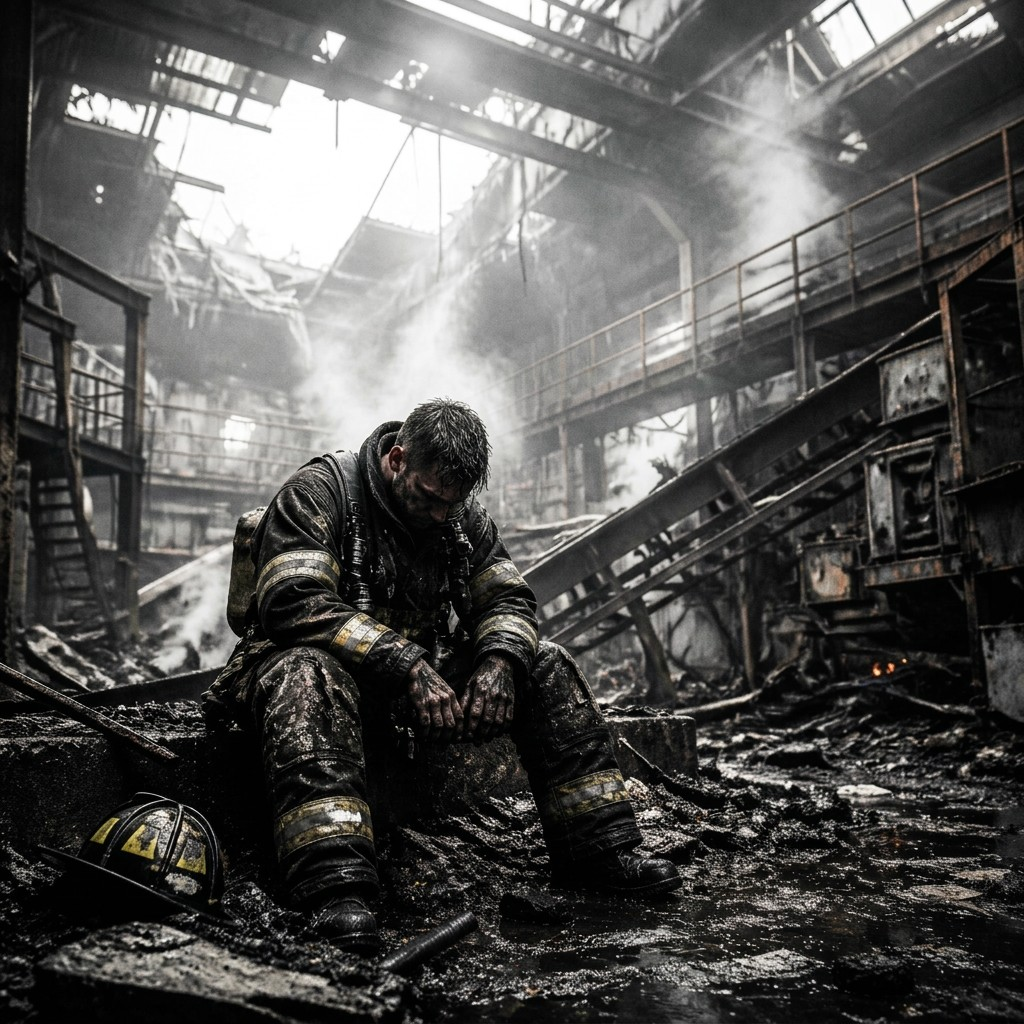
It Is More Than One Thing
For fire fighters smoke isn’t one thing: benzene, toluene, and the rest of the Benzene, Toluene, Ethylbenzene, and Xylene (BTEX)family
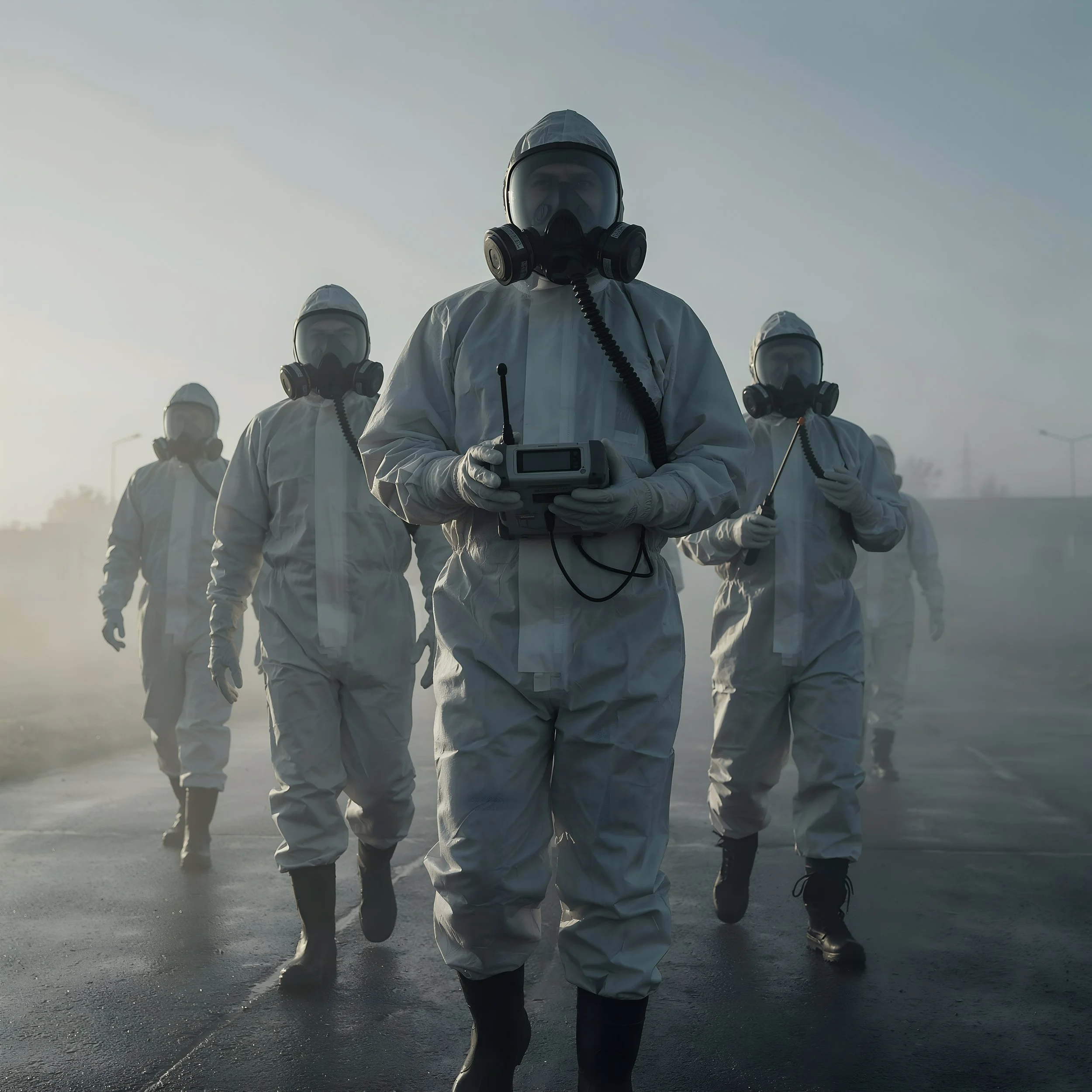
CBRN Responders Face Chemicals
Certified CBRN respirators are the primary line of protection. They define life and death in this hostile environment
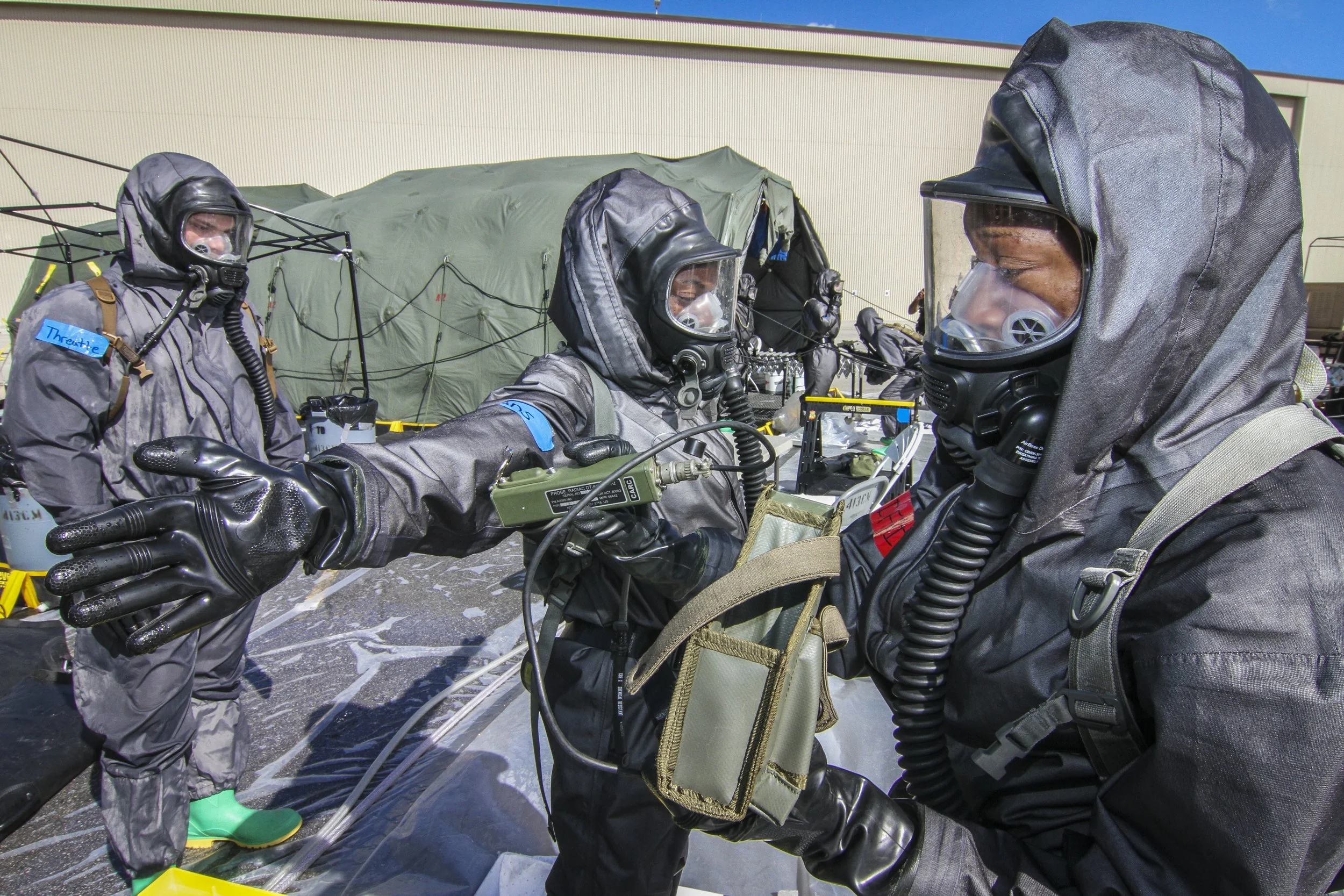
U.S. Army Reserve photo by Sgt. 1st Class Brent C. Powell
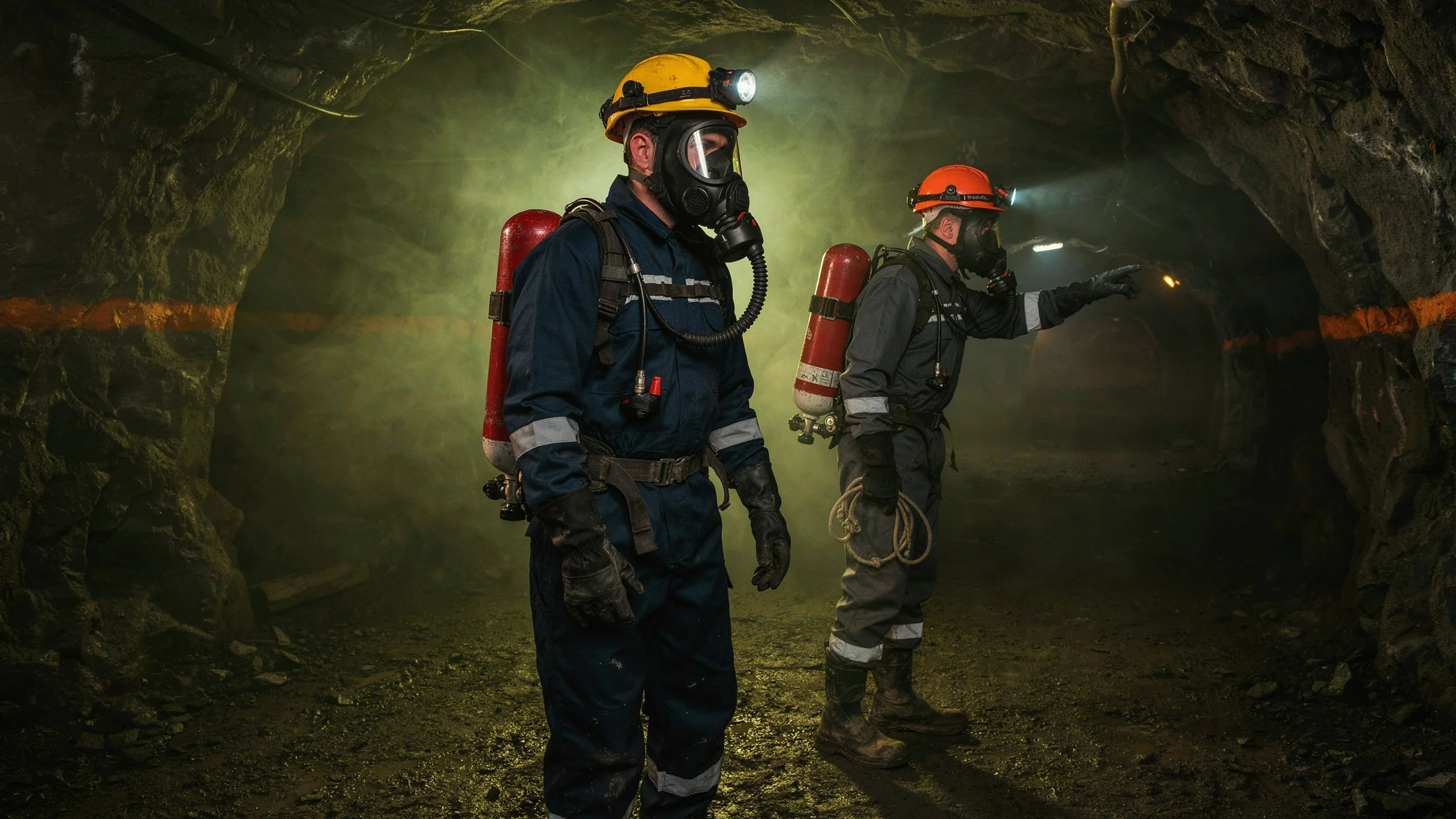
Miners: Hazardous Air, Limited Escape
Underground, miners breathe trapped carbon monoxide, hydrogen sulfide, and diesel exhaust far from rescue. There are ~75 million miners worldwide wide, ~45 million of them are artisanal miners.
ILO Encyclopaedia, Mining: An Overview; Delve/World Bank, State of the ASM Sector (2021).
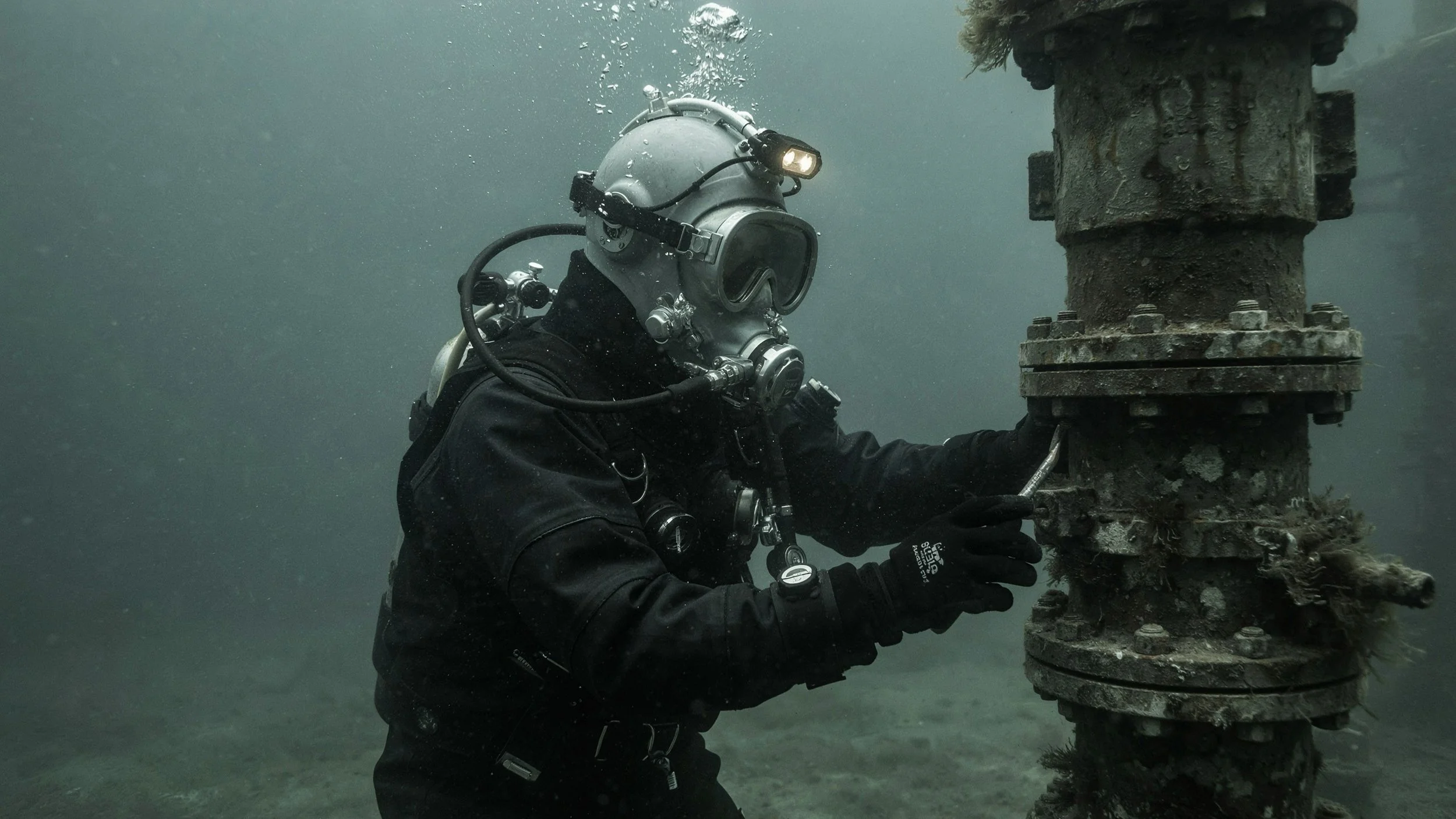
Divers Submerged In Chemical Risks
Hard-hat divers work in harbors, sewers, and spill sites, where the water can carry fuel, benzene, xylene, heavy metals, and sewage pathogens. A helmet leak or unnoticed suit tear lets these chemicals absorb through exposed skin.
U.S. EPA Region 10, Protection of Divers in Contaminated Waters; Huff, Keep It Clean, Firefighter Nation; NFPA 1953, Standard on Protective Ensembles for Contaminated Water Diving.
Industrial Workers, Everyday Challenges
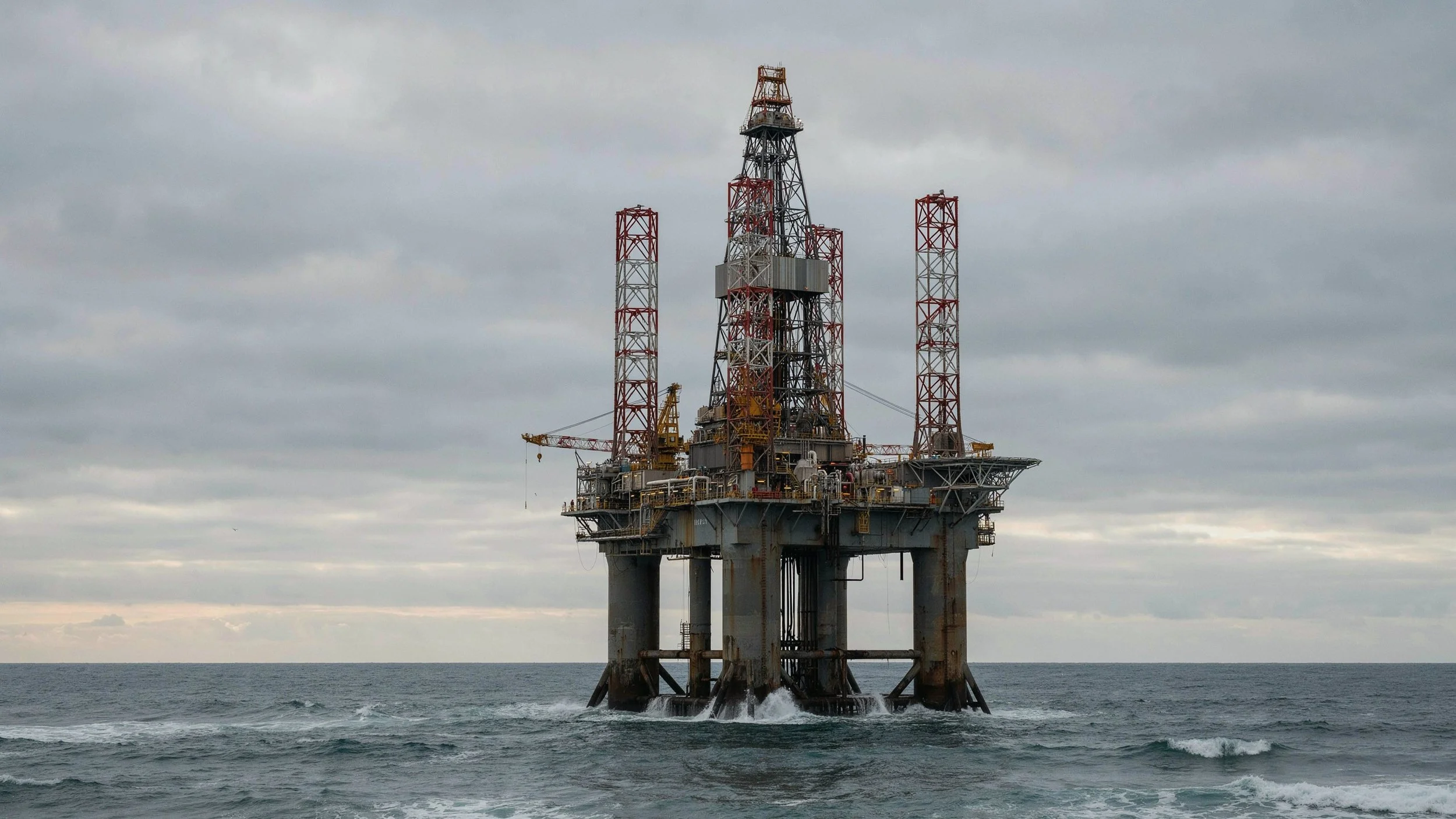
Every shift begins the same way: the badge beeps, the doors open, and the air changes. In the plating shop, the foundry, the mill, the people who make what the rest of us use breathe what the process gives off — solvent vapors, metal fumes, dust fine enough to pass through a paper mask — and absorb it through bare forearms and the skin of their hands. They don’t call it exposure. They call it Tuesday.
OSHA, Respiratory Protection in General Industry; NIOSH, Respirator Use and Practices in Primary Metal Operations; NIOSH/CDC, Skin Exposures and Effects; and Anderson & Meade, Environmental Health Insights 2014;8(S1):51–62.